Case Name: Pushpanjali Trust v. State of Punjab & Ors. (2026)
Factual Background
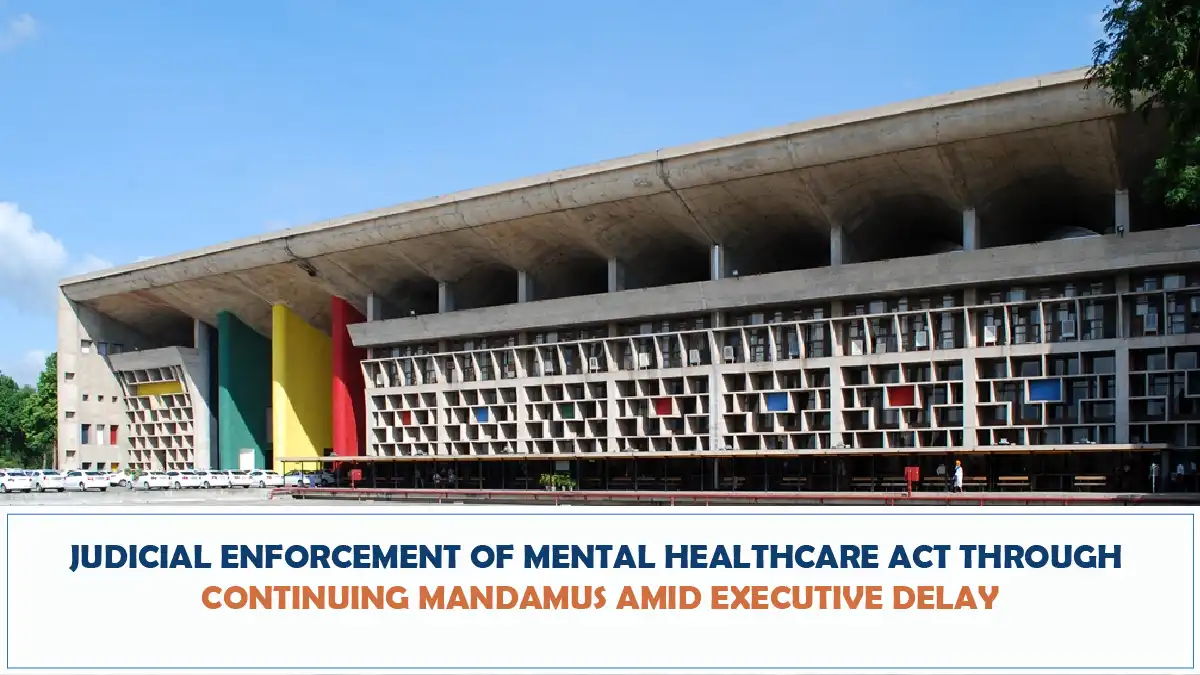
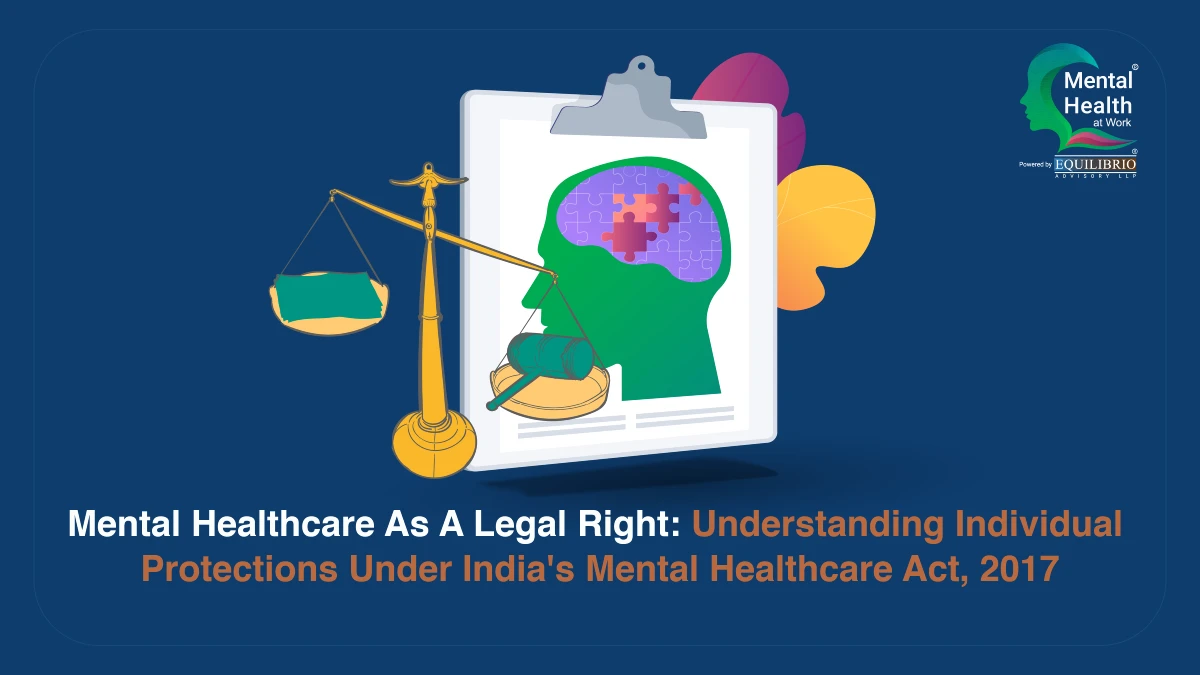
This case originated as a Public Interest Litigation filed to address systemic non-implementation of the Mental Healthcare Act, 2017. The petitioner highlighted that despite the enactment of a progressive, rights-based mental health law, the States of Punjab and Haryana, along with the Union Territory of Chandigarh, had failed to operationalise the statute in any meaningful manner.
Specifically, even after several years of the Act coming into force, the authorities had not notified the requisite rules, had not established Mental Health Review Boards, and had failed to develop essential rehabilitation infrastructure such as halfway homes and group homes. This prolonged inaction effectively deprived persons with mental illness of the statutory protections guaranteed to them.
Court’s Analysis
The High Court adopted a firm and interventionist approach, recognising that the Mental Healthcare Act is not merely declaratory but confers enforceable rights upon individuals. It observed that a delay of seven to eight years in implementing statutory provisions is wholly unacceptable, particularly when the legislation is aimed at safeguarding dignity, autonomy, and access to health-care values closely tied to Article 21 of the Constitution.
The Court examined specific statutory obligations under the Act. It noted that Section 19 mandates the establishment of community-based rehabilitation facilities, while Sections 73 and 74 require the constitution of Mental Health Review Boards to oversee treatment decisions and protect patient rights. The failure to comply with these provisions indicated a systemic breakdown in governance.
Further, the Court found that even basic requirements such as preparation of annual reports under Section 64 were not being fulfilled. The absence of infrastructure and oversight mechanisms meant that the rights envisaged under the Act remained illusory.
Recognising the gravity of the situation, the Court invoked the doctrine of continuing mandamus, whereby it retains supervisory jurisdiction to ensure compliance with its directions over time.
Order of the Court
The Court issued a series of time-bound directions. It directed the States of Punjab and Haryana to notify their rules under the Act within fifteen days. The Central Government was instructed to approve the draft rules submitted by the Chandigarh administration within the same timeframe.
Additionally, the State of Haryana was directed to constitute Mental Health Review Boards within five weeks. The States were required to file affidavits detailing compliance, including steps taken to establish rehabilitation facilities and to prepare annual reports. The Court also sought timelines for conducting needs-based assessments of mental health infrastructure.
Key Takeaway
The case illustrates how constitutional courts can actively enforce welfare legislation through writs of mandamus and continuing supervision, ensuring that statutory rights particularly those relating to mental health and dignity are not rendered ineffective by administrative delay.
Note: The term ‘Internal Complaints Committee (ICC)’ used in this judgment refers to what is now termed as the ‘Internal Committee (IC)’ under the amended POSH Act. For consistency with the judgment, the term ICC is used in this summary.
Written by Adv. K. Sri Hamsa