“I am so stressed” is one of the most common things we say at work, yet many of us have never stopped to ask what stress actually is. This short explainer covers the meaning of stress, how it feels in the body and mind, and why it matters when it continues for a long time.
Stress explained
We all may have heard people around us exclaim that they are experiencing stress. We ourselves may have said so on numerous occasions as well. But what is “stress”?
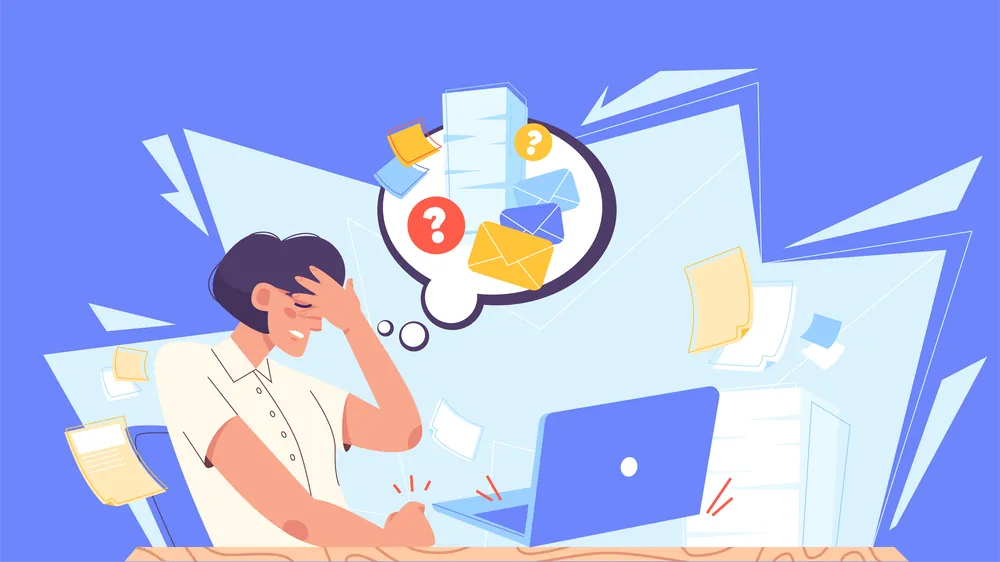
We experience stress when a person may feel overwhelmed, stretched or find it difficult to cope with a challenging situation. This may occur when they perceive the resources and resilience available to them are outweighed by the demands placed on them.
This assessment of the situation can set our body in a heightened state of awareness or attention, maintained by the autonomic nervous system responsible for the fight/flight /freeze response to perceived threats.
When this situation persists over time, it may contribute to changes in behaviour like
– irritation
– anger outbursts
– drop in focus
– changes in appetite
– sleep disturbances
– loss of motivation among other changes.
The impact is not only behavioural and psychological but also extends to physical health like experiencing headaches, body pains, diarrhoea. Chronic stress can result in
– High blood pressure
– Heart disease
– Obesity
– Diabetes
It is important to remember to regulate our experience of stress by either actively reducing the demands or increasing our resources.
Remember your feelings are valid, and you are not alone. It is okay to reach out for mental health support to work on navigating through one’s experience of stress and building healthy coping strategies.
Short-term stress and long-term stress
Stress is not always harmful. A deadline or a presentation can raise your alertness for a short time, and many people find this helpful. Problems tend to begin when pressure continues without enough rest or support. Stress that stays high for weeks or months is often called chronic stress, and it is the kind that is linked with the physical and behavioural changes described above.
Stress and burnout are not the same
Stress usually feels like having too much to handle. Burnout, which the World Health Organization describes as an occupational phenomenon, comes from workplace stress that has not been successfully managed over time and often shows up as exhaustion, distance from the job and reduced effectiveness. Noticing stress early gives you more room to act before it turns into burnout.
What can help
- Reduce a demand: ask what can wait, be shared or be said no to.
- Increase a resource: time, skills, information, rest or people who support you.
- Notice your early signs, such as irritability, poor sleep or loss of focus, and treat them as information rather than failure.
- Speak with a mental health professional if stress feels unmanageable.
Frequently asked questions
Is all stress bad for you?
No. Short bursts of manageable stress can help you focus and perform. Stress becomes a concern when it is constant, feels beyond your coping resources or starts to affect your health.
How do I know if my stress is serious?
Pay attention to how long it lasts and how much it interferes with sleep, work, appetite, mood and relationships. If it does not ease, or you feel unable to cope, please talk to a doctor or a qualified mental health professional.
This post is for general awareness and does not replace advice from a qualified professional.