Performance review season can be stressful for everyone involved. Employees worry about how they will be judged, managers worry about giving fair and useful feedback, and organisations want a process that is consistent and respectful. This guide looks at the role each group plays and how to keep empathy and wellbeing at the centre of performance review season.
About performance review season
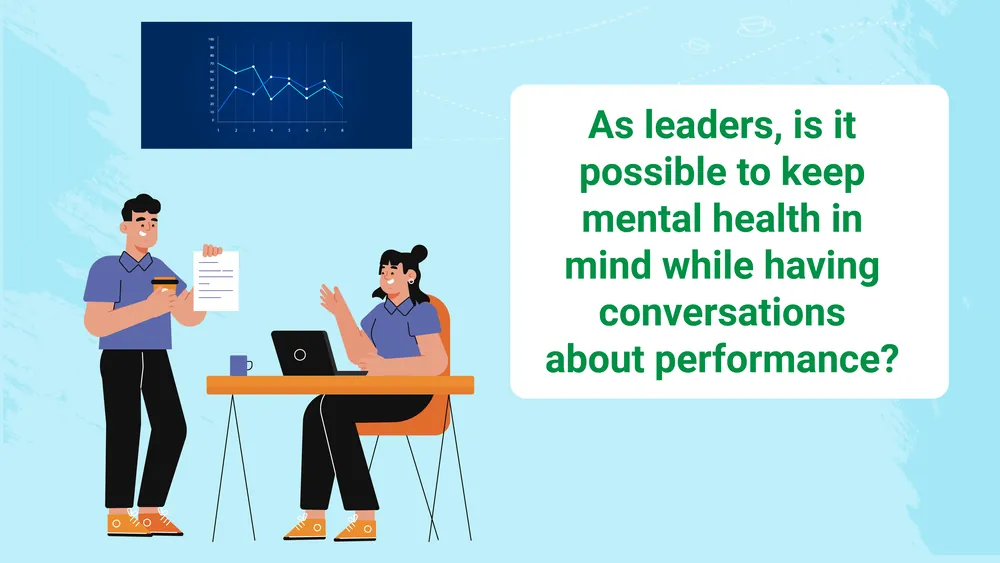
Performance reviews season can be an extremely challenging experience, not only for employees but also for Managers, and Organisations as a whole, with each playing an active part in the process.
Let’s break down the roles we can all play to support each other through the process, keeping empathy and well-being at the core.
Why performance review season feels stressful
Performance review season is often linked to pay, promotion and job security, so the stakes feel high. Common sources of stress include unclear criteria, surprises in the feedback, comparison with colleagues and having little time to prepare. For some people, past experiences of harsh feedback make every review feel like a threat. Naming these pressures is the first step towards a calmer process.
What employees can do during performance review season
- Prepare early: list your achievements, learning and challenges over the period, with examples.
- Ask for the criteria: understand how you will be assessed so nothing is a surprise.
- Listen first: take notes, ask clarifying questions and take time before responding to feedback you find difficult.
- Separate worth from performance: feedback is about work and behaviour, not about your value as a person.
- Look after yourself: plan something restful after the conversation and talk to someone you trust if you feel low or anxious.
What managers can do during performance review season
- Give regular feedback throughout the year so the review confirms what the employee already knows.
- Be specific and balanced, describing what went well, what could improve and how you can help.
- Make it a conversation, not a verdict. Invite the employee’s own view and goals.
- Notice stress signals such as withdrawal, irritability or visible distress, and respond with care.
- Keep conversations private and follow up on what you agreed.
What organisations can do
Organisations shape the experience through the design of the process. Clear criteria, enough time for preparation, training for managers on giving feedback, calibration to reduce bias and a route to raise concerns all make performance review season fairer and less anxious. Support such as counselling or an employee assistance programme should be easy to find during this period. Our stress awareness at work posts and the World Health Organization guidance on mental health at work offer further reading.
A simple checklist for the review conversation
- Agree a time that is not rushed and a private place to talk.
- Begin with what went well, using specific examples.
- Discuss areas for growth together and agree on practical next steps.
- Ask what support or resources would help in the coming months.
- Close by summarising what was agreed and when you will follow up.
Reviews work best when people leave feeling informed and respected, even if the feedback was hard to hear. If the process leaves someone feeling distressed, a follow-up conversation and access to emotional literacy resources can help them make sense of what they felt.
Frequently asked questions
How can I reduce anxiety before performance review season?
Prepare examples of your work, ask what the criteria are and plan something restful afterwards. Slow breathing before the meeting can also help you feel steadier.
How should I respond to feedback I disagree with?
Listen fully, ask for examples and say that you would like time to reflect. You can follow up in writing with your perspective once you have had time to think.
How can managers make performance reviews less stressful?
Give feedback regularly, be specific and fair, invite two-way discussion and make sure employees know what support is available.
This post is for general awareness and does not replace advice from a qualified professional.