
Short Post

Is Distraction Enough? Myths About Coping With Depression and Difficult Emotions

10 Feb 2023
3 min read
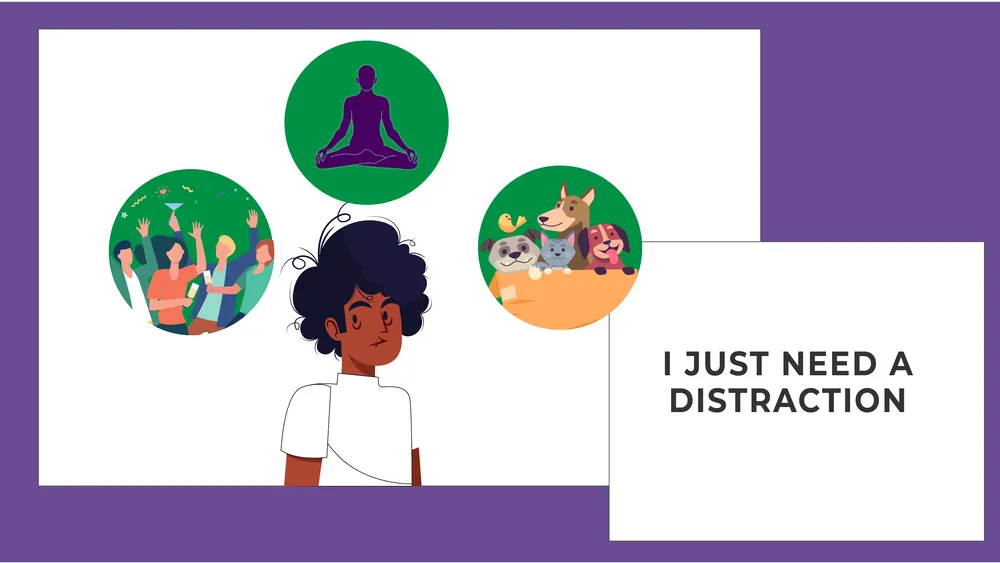
Mythbusters illustration: Is Distraction Enough? Myths About Coping With Depression and Difficult Emotions

People mean well when they suggest we get out more or take up a hobby. These ideas can help, but treating distraction as the whole answer can be a myth.

About this topic

Often, when people are experiencing menta lhealth concerns like depression, they tend to hear things like: “You need to get out more” “Have you tried yoga or meditation?” “Get a hobby or a pet”, when these suggestions come to us over time, we tend to internalize the belief that ‘distracting’ ourselves from the emotions that may be arising may do the trick to keep them away.

However, while certain kinds of distraction employed and supported by your mental health professional in specific contexts may be helpful, we must understand that any sort of distraction is going to be temporary. The intense emotions bubbling up are usually messengers for something that may require care and attention and will keep coming up until we are able to resolve the inner conflict or needs arising. Sometimes it’s best to actively seek therapeutic support to respond and cope in a healthy manner!

What distraction can and cannot do

Healthy activities can lift mood and give a break from difficult thoughts. But if feelings are pushed away completely, they often return. Distraction works best alongside acknowledging how you feel and getting support.

Healthier ways to cope

  • Name what you are feeling.
  • Use activities such as walking or hobbies as support, not as a way to avoid feelings.
  • Talk with someone you trust.
  • Seek a professional assessment if low mood continues.

Responding kindly to someone who is struggling

Instead of offering quick fixes, ask how they are and listen. Let them know you are there.

Distraction as a tool, not a cure

Distraction can be a helpful short-term tool when emotions feel too intense to face at once. Watching a film, going for a walk or calling a friend can give your mind a break. The problem arises when distraction becomes the only strategy and the underlying feelings are never addressed. A balanced approach is to allow yourself time to feel, then to use activities to restore energy. You might set a short period each day to note what you feel, and then follow it with a pleasant activity. If low mood, loss of interest or hopelessness persists, seek support from a doctor or mental health professional rather than trying to manage alone.

Frequently asked questions

Do hobbies and exercise help depression?

They can help many people, but they are not a replacement for professional care when depression is moderate or severe.

What are signs I should seek help?

Persistent sadness, loss of interest, sleep or appetite changes, hopelessness or thoughts of self-harm are signs to seek help promptly.

If you or someone you know is in distress: please reach out to a qualified mental health professional or your local emergency services. In India, Tele-MANAS offers free mental health support on 14416.

This post is for general awareness and does not replace advice from a qualified professional.

Weekly Newsletter

Mental health insights, practical tips and updates in your inbox.

Related Short Posts