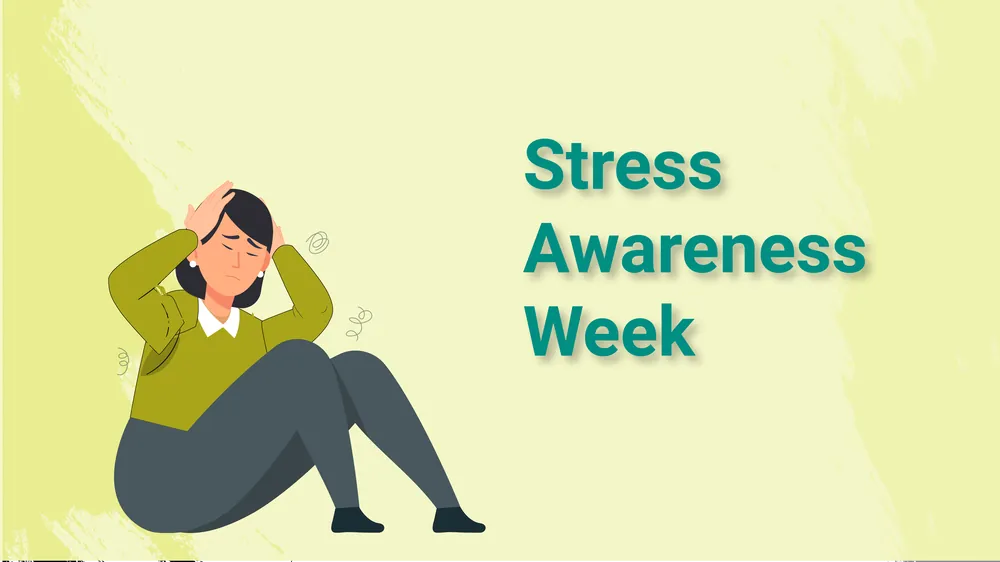
Stress is talked about everywhere, but a lot of what we believe about it is only partly true. This post, written for Stress Awareness Week, starts a week-long look at stress at work by testing a few popular ideas against what we know.
Myth: people only deliver under pressure
It’s Stress Awareness Week! Stay tuned to follow our week-long breakdown of stress and stress related concepts as they may show up in the context of work. Today we will be busting some myths related to stress. For example, there is a common misconception that people won’t take action unless they are under pressure, such as when they have a project with a short deadline. That is not entirely true. While some amount of stress (eustress) may provide a challenge and motivation for people to step up and work or complete tasks. However, if a person may perceive that the demands outweigh the resources to cope or meet the goal, it can bring in an experience of distress, which can have a negative impact on the individual. Moreover, there are other more wholesome methods of motivation boosting available for use by individuals, managers and organizations. Focusing on progress and accomplishments (rather than the fear of failure), open and safe dialogue, revisiting goals, etc. can help one feel more accomplished and confident and can also serve as a good source of motivation to help one achieve.
Often, the experience of stress tends to derail our healthy habits and systems of coping, and it is important to arise at the core of the factors impacting a person to devise a long-term effective plan to respond to stress.
While some may be able to do so intuitively, some of us may benefit from reaching out for therapeutic support. Remember, it’s okay to feel what you are feeling. Your feelings are valid.
We encourage you to reach out for support if you feel overwhelmed. Please take a look at our resources page on our website for support.
More stress myths and what is closer to the truth
- Myth: Stress is a sign of weakness. Stress is a normal response to demands. Noticing it shows awareness, and asking for support is a skill.
- Myth: Stress only affects your mind. It can also show up in the body as headaches, tight muscles, tiredness or changes in sleep and appetite.
- Myth: If you ignore stress it will go away. Some pressure passes, but ongoing stress that is pushed aside often grows. Finding the cause is usually more effective than pushing through.
- Myth: Rest is laziness. Recovery is part of sustainable performance, not the opposite of it.
Healthier ways to stay motivated
If fear of failure is the only motivator in a team, people may meet today’s target but burn out over time. Many teams find that steady motivation comes from clear goals, recognising progress, honest and safe conversations about workload, and revisiting priorities when circumstances change.
A small action for this week
Pick one belief about stress that you have held for a long time and ask where it came from. Then choose one small change, such as a proper lunch break or a weekly check-in about workload, and see what it changes.
Frequently asked questions
What is the difference between eustress and distress?
Eustress is stress that feels challenging but manageable and can energise you. Distress is stress that feels beyond your resources and tends to drain you. The same situation can be either, depending on the demands and the support available.
Can a manager help reduce stress in a team?
Yes. Clear expectations, realistic deadlines, regular conversations and visible support all lower avoidable stress.
This post is for general awareness and does not replace advice from a qualified professional.