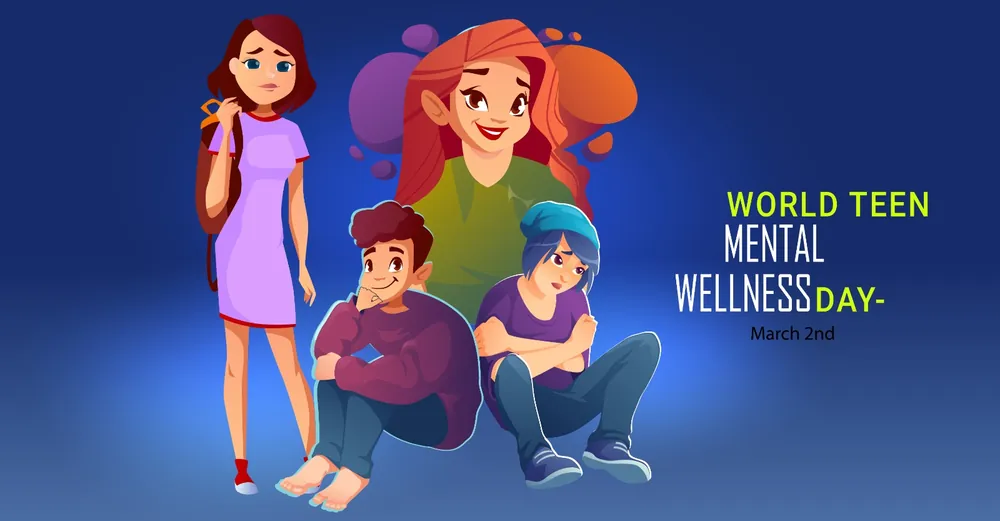
Adolescence is a time of rapid change, and teenagers often carry more than adults realise. On World Teen Mental Wellness Day, here are some reminders about teen mental health and ways to help.
About the day
It is observed globally on March 2 every year. This day is observed to raise awareness about the mental health concerns that teenagers experience, with the aim of decreasing stigma associated with these issues and accessing support.
It’s important to acknowledge that these teen years are years marked by changes for young adolescents. These changes are not only with regard to their changing bodies and needs but also with regard to their values and beliefs and sense of self.
Teenagers are also exploring their own boundaries and that of the world around them, the need to belong and fit in are strong as is the need to assert their independence. This could cause concern and strife within existing relationships especially that of parent and child.
Teenagers may experience many other events like abuse, peer pressure, substance abuse, pressure to succeed, etc that may further exacerbate mental health concerns. Studies show that anxiety related concerns, depression and intense emotions, are high in teens and can lead to unhealthy coping mechanisms in the absence of support.
A balanced routine involving exercise, outdoor activities, meditation, open channels of communication with trusted adults, and access to mental health resources and support are helpful to support teen wellbeing.
As parents and caregivers, we need to understand that teenage emotions and feelings are valid and very real. Equipping ourselves with tools to respond and communicate with them will go a long way towards building healthy relationships and support systems for our teens.
Signs that a teenager may need support
- Changes in sleep, appetite or energy that last for weeks.
- Withdrawing from friends and activities they used to enjoy.
- Falling grades or loss of interest in school.
- Irritability, sadness or worry that seems out of proportion.
- Talking about feeling hopeless or being a burden.
How parents, carers and teachers can help
- Listen without rushing to fix or lecture.
- Take their feelings seriously, even when the problem seems small.
- Keep routines for sleep, meals and movement.
- Be curious about their online and offline life without being intrusive.
- Seek professional help early when concerns persist.
What workplaces can do
Employees are often parents or carers of teenagers. Flexible arrangements, access to counselling and awareness of family stress can make a real difference to both the parent and the teenager.
Frequently asked questions
When should a teenager see a mental health professional?
If difficult feelings or behaviour continue for more than a few weeks or interfere with daily life, it is a good idea to speak with a paediatrician, counsellor or child and adolescent mental health professional.
How can I start a conversation with my teenager?
Choose a calm moment, share what you have noticed with care and ask open questions. Listening matters more than having the right answers.
If you or someone you know is in distress: please reach out to a qualified mental health professional or your local emergency services. In India, Tele-MANAS offers free mental health support on 14416.
This post is for general awareness and does not replace advice from a qualified professional.