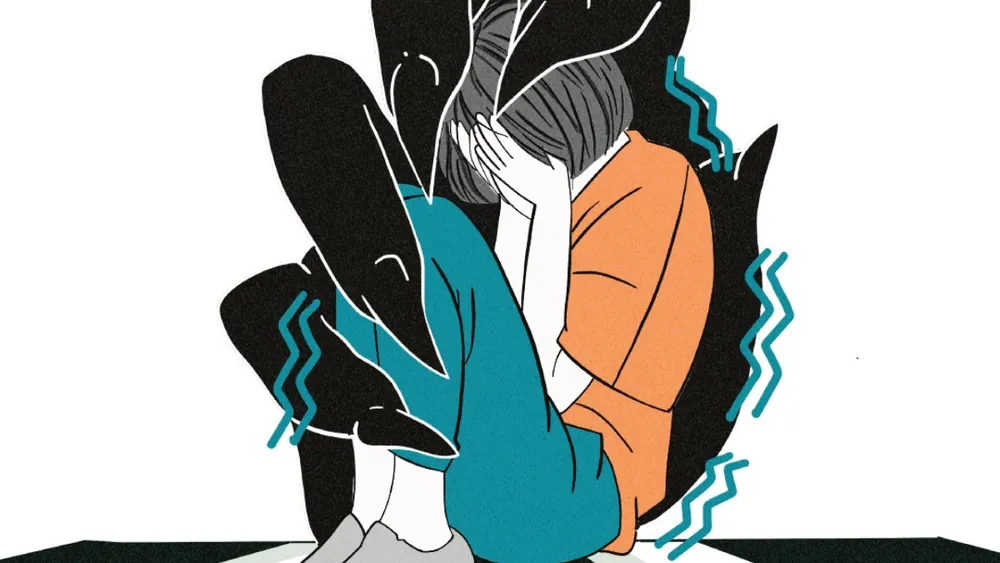
Fear is something everyone experiences. It is uncomfortable, but it also protects us. Understanding fear is the first step towards responding to it calmly.
About fear
Fear is one of those emotions that affect everyone. It can be an intensely unpleasant emotion and arises when there is a real or perceived threat of harm—either physical, emotional, or #psychological. Although fear is typically regarded as a “negative” feeling, it actually plays a crucial part in keeping us safe since it prepares us to deal with impending danger through the activation of flight/fight/freeze response. The purpose of fear is always to prevent or lessen harm. Our attention is drawn to the current risk, which motivates us to take action to deal with it. In this sense, by compelling us to act without hesitation, fear might actually save our lives (e.g., by jumping out of the way of a car coming at us). When experiencing fear, people respond in distinct ways, sometimes even in anger or aggression. On the other end of the spectrum, people may freeze when faced with fear. This too can be understood as a means to survive, and gives rise to the idea of being paralysed by fear.
Research (Kreibig, 2010) indicates that physiological changes caused by fear include an increase in heart rate, blood pressure, breathing, skin conductance, dilated pupils etc. It puts the individual in a state of high alert and hyper awareness that is usually self-focused. The blood moves away from the skin towards organs that will support the activation of defence strategies and hence a person’s skin may turn cold and seem pale.
Fear may also have a social impact: If someone becomes afraid of something, this fear tends to impact others and spread. This may occur even though there was initially no rational basis for fear.
Fear and #Anxiety might seem and feel similar, aspects of the 2 emotions may overlap as well. However, the distinction that researchers make is that fear is largely a reaction to a specific, definite danger as communicated through one’s senses while anxiety can often be experienced as an objectless, future-oriented fear, usually triggered by emotion.
To feel some amount of fear is normal. However, sometimes, the fear that a person may experience becomes acute, irrational and debilitating. At this point, it is important to work with a trained therapist or counsellor, to discover techniques for managing the fear can make it easier to deal with these emotions.
What techniques have helped you respond and cope when experiencing fear?
How fear can show up at work
At work, fear may appear as worry about making a mistake, speaking up in a meeting or losing your job. It can show up as a racing heart, avoidance, procrastination or irritability. When fear is constant, it can reduce creativity and confidence.
Healthy ways to respond
- Name the fear: say what you are afraid might happen.
- Check the facts: is the threat real, likely or only imagined?
- Take one small step towards what you are avoiding.
- Breathe slowly and talk to someone you trust.
Questions to reflect on
- What am I afraid of right now, and what is it protecting me from?
- What would I do if the fear were a little smaller?
Frequently asked questions
Is fear always bad?
No. Fear alerts us to danger and prepares the body to respond. It becomes a problem when it is out of proportion or stops us from living the way we want.
What is the difference between fear and anxiety?
Fear is a response to a clear, present threat, while anxiety is often worry about something that may happen in the future. They can feel similar in the body.
This post is for general awareness and does not replace advice from a qualified professional.