Excitement is the feeling of eager expectation. It lifts energy and motivation, and it is worth noticing what creates it in your working life.
About excitement
Excitement is when you expect or experience something positive or pleasant. You can’t wait for the thing you are excited about to happen. For example, when you finally get the promotion you deserve.
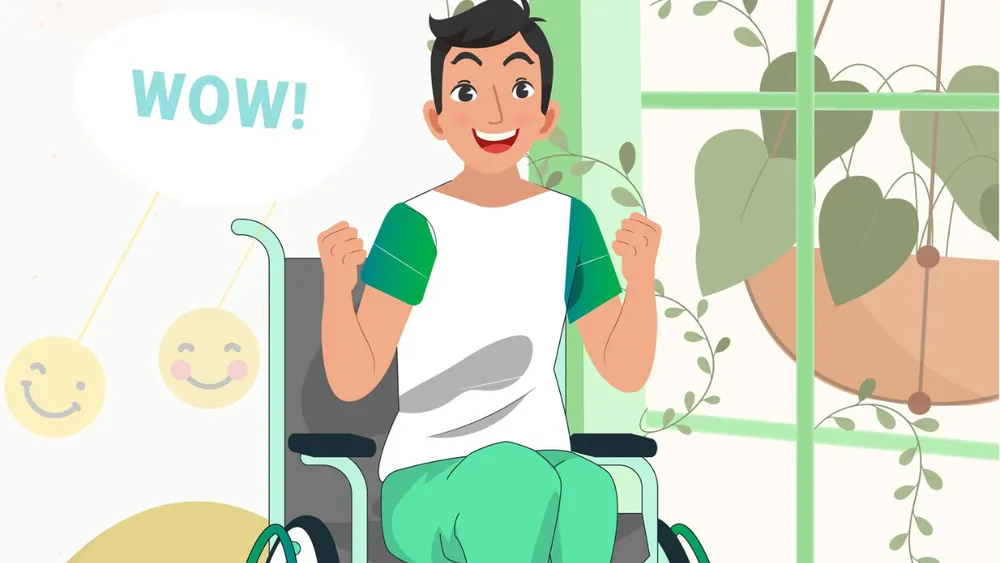
Excitement is challenging to isolate as an emotion. It is accompanied by joy, eagerness, expectation, fulfillment, and quite a bit of energy that may also manifest psychically – jumping up and down, and other movements in the body, grand gestures, speaking or laughing in a loud voice and through displays of affection and warmth with loved ones. Some people may experience lightness in their chest or tummy, heightened senses, a sense of increased sensory stimulation and even an adrenaline rush when experiencing excitement.
Most of the time, people are impatient and eager in anticipation of the pleasant experience they have been looking forward to. Excitement is more likely when the anticipated experience is both unexpected or unusual and desirable. It is more intense if you have been waiting for a long time to achieve the aim, or when enthusiasm is shared with others and the event makes you feel like you are a part of something bigger.
The evolutionary function of excitement may be to foster exploratory behavior. It forces people to concentrate on something positive that will happen in the future so they don’t miss the chance. Excitement may also cause people to change their attention from potential risks to the potential advantages of future events, which could result in more impulsive or risk-taking behavior. Although playing it safe may have helped people in many evolutionary situations, taking more risks can be quite advantageous when there are significant potential benefits.
You feel high levels of arousal, “butterflies in your stomach,” shaking, or sweaty hands when you are excited. Your breathing, sweating, and heart rate all increase as you get ready to move. These jittery body sensations are unusual for a happy emotion, and are more related to stronger survival emotions like dread or nervousness, with the exception that when excited, one perceives them as positive. Too much of this kind of arousal and excitement may also feel unpleasant or override one’s usual responses and decision making capacity, and even impact the relationships nearest a person, when swept away by emotion. It can be helpful to ground oneself when one notices this shift brought on by intense excitement.
How excitement can show up at work
Work excitement may come from a promotion, a new project, learning a skill or a team win. It can also be mixed with nerves, which is natural when something matters to us.
Healthy ways to respond
- Notice which tasks or moments make you feel energised.
- Share good news with colleagues and celebrate wins.
- Ask for projects that match your interests where possible.
- Balance excitement with rest to avoid burnout.
Questions to reflect on
- What are the things that make me feel excited at work?
- How can I include more of them in my week?
Frequently asked questions
Is excitement the same as joy?
They are related but not identical. Excitement usually looks forward to something, while joy is often felt in the moment.
Why do excitement and anxiety feel alike?
Both raise heart rate and alertness. How we label the feeling can shape how we experience it.
This post is for general awareness and does not replace advice from a qualified professional.