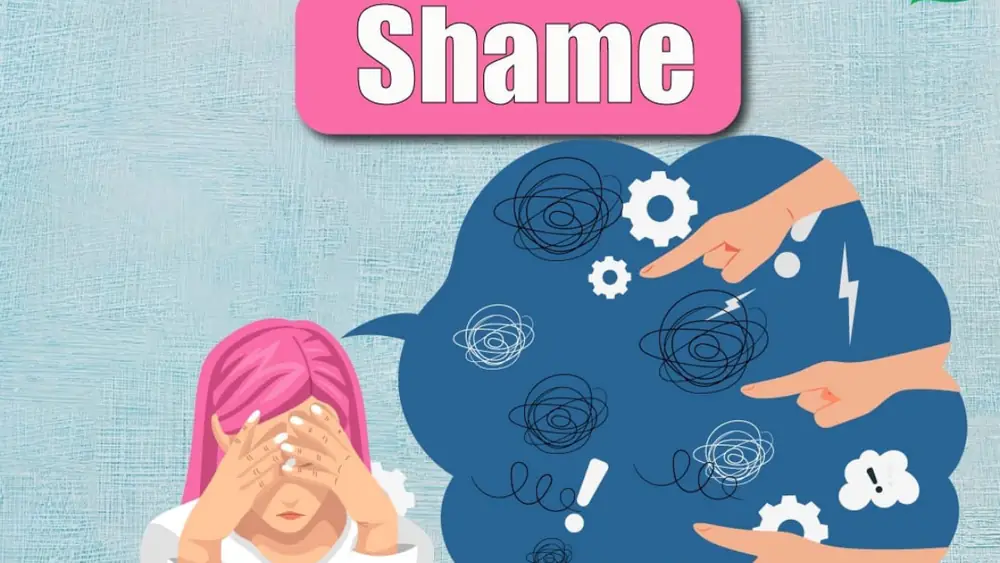
Shame can make us want to hide. It is the painful sense that we are fundamentally flawed. Understanding it helps loosen its hold.
About shame
Shame may be experienced as a sense of deep embarrassment or humiliation brought on by the perception of having done something dishonourable, inappropriate, immoral, or in contrast to one’s values and principles. When a person feels shame, they typically strive to conceal their behaviour.
Even though shame is a strong and seemingly negative emotion – one we want to avoid- its evolution was necessary for our species to survive as a form of defence. Without shame, we might not feel the need to follow rules of conduct, obey the law, or act in ways that support our existence as social beings – intended to prevent isolation from the group or ‘’herd’’.
In fact, researchers tell us that shame evolved to “prevent us from damaging our social relationships, or to motivate us to repair them if we do.”
People feel shame often silently, within themselves, accompanied by a dose of self-blame. The truth is, though, that how much shame a person may experience frequently has little to do with their “actual” worth or what they may or may not have done. Sometimes shame arises not because of what the world around us has said but because of our self-talk, after internalizing norms, and a sense of right & wrong.
Coping with shame involves practicing forgiveness (of self and others) and allowing oneself to be human – accepting that on this journey IT IS OKAY TO BE IMPERFECT.
Understanding what your shame is about is the first step in getting over it. It is important to gain perspective on it, comprehend where it came from, and how it affects one’s present decisions (via emotional memories). What are the values that are giving rise to the feeling of shame?
– Embrace your shame: It’s time to focus on accepting one’s emotions for what they are in the moment. Know that emotions are fleeting and messengers. Don’t’ bury it, or ignore it. Despite the fact that it seems paradoxical, it is essential to bring your internal feelings of shame onto the surface in order to heal from them. It’s a crucial step to love and accept oneself as we are in the moment, and to surround oneself with those who will do the same for you.
– Shift focus: It is time to concentrate on shifting your thoughts, beliefs, and attitudes about yourself towards those steps that one can take to bring in a sense of pride in oneself, one’s journey and resilience, values, joy, and hope – antidotes to shame.
How have you dealt with feelings of Shame in the past?
How shame can show up at work
At work, shame may follow public criticism or a serious mistake. It can lead to silence, avoidance or harsh self-judgement.
Healthy ways to respond
- Name it: say, this is shame.
- Share it with someone safe, because shame thrives in secrecy.
- Separate what you did from who you are.
- Treat yourself with the compassion you would offer a friend.
Questions to reflect on
- What story am I telling myself about this?
- Who can I trust with how I feel?
Frequently asked questions
What is the difference between shame and guilt?
Guilt says I did something wrong. Shame says I am wrong.
Can therapy help with shame?
Yes. A therapist can help you explore the roots of shame and build self-compassion.
If you or someone you know is in distress: please reach out to a qualified mental health professional or your local emergency services. In India, Tele-MANAS offers free mental health support on 14416.
This post is for general awareness and does not replace advice from a qualified professional.