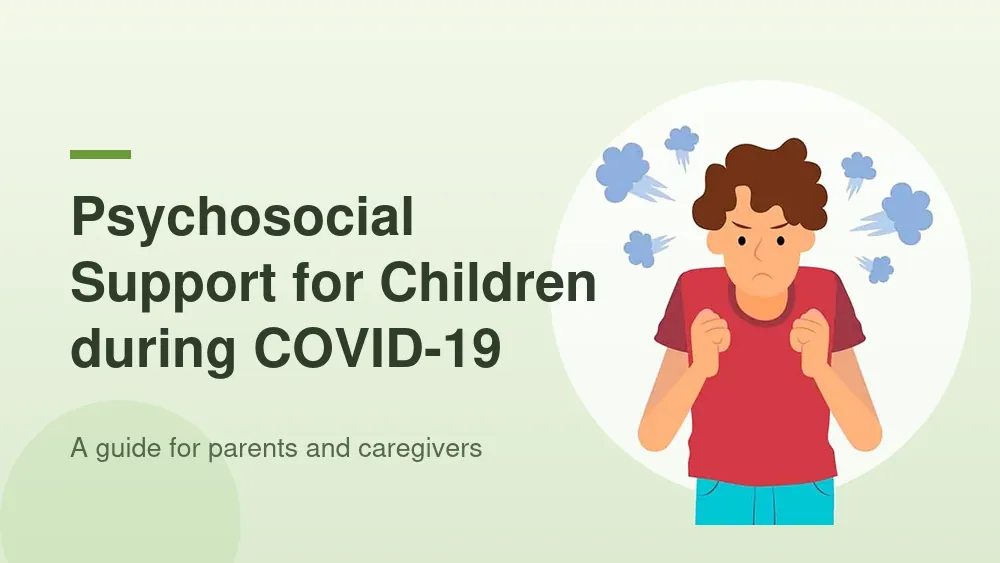
Psychosocial support for children became a pressing need as COVID-19 spread across India and the world. The pandemic affected health and the economy, and it also had a deep effect on the emotional wellbeing of families, especially children. This guide explains what the UNICEF and CHILDLINE manual offers and how parents and caregivers can use it, with a working link to download the PDF.
Download the manual (PDF)
Resource: Psychosocial Support for Children during COVID-19: A Manual for Parents and Caregivers (PDF, UNICEF and CHILDLINE). You can also read about the report on the UNICEF India report page.
About the psychosocial support manual for children
As the COVID-19 pandemic continued to expand in India and in the world, one thing was certain: the outbreak would have a profound impact not only on health and the economy but also on the psychosocial wellbeing of societies across nations. To address some of the effects of COVID-19 on the wellbeing of children, UNICEF worked with CHILDLINE on this publication.
The purpose of the manual is to give parents, caregivers, support persons, and children and adolescents themselves a tool that helps them:
- understand what COVID-19 is and how it can be prevented;
- manage related stress, fear and anxiety;
- recognise the increased risk of violence, which can help them stay safe.
How the manual is organised for different age groups
The manual is designed for two age groups: children aged 6 to 10, and children and adolescents aged 11 to 19. It contains activities and play methods that keep children engaged in a positive way and give them a platform to express their emotions. Because children are often the most vulnerable in a crisis, it focuses on psychosocial care and on preventing violence in places where children stay, such as child care institutions, families, temporary isolation facilities and NGO shelters.
Why children needed psychosocial support during COVID-19
It is natural for children to feel stress, anxiety, grief and worry during an ongoing pandemic. For children and families who are in quarantine or isolation, there may also be an increased risk of violence and abuse. When stress levels rise for adults and children alike, there is a greater risk of gender-based violence and other forms of violence against children. The manual helps adults to:
- understand the implications of the pandemic on the mental health and psychosocial wellbeing of children, including the increased risk of violence and abuse;
- use practical resources to engage with children positively and effectively.
Signs that a child may need extra support
- Changes in sleep or appetite, or new nightmares
- Becoming unusually clingy, withdrawn or irritable
- Loss of interest in play or friends
- Frequent worries about illness, death or the future
- Physical complaints such as stomach aches with no clear cause
These signs are common in stressful times and often ease with reassurance. If they last for weeks or affect daily life, speak with a qualified child mental health professional.
Practical ways to support children
- Listen first. Let children say what they are feeling in their own words, without rushing to fix it.
- Keep a routine. Regular meals, sleep, study and play time create a sense of safety.
- Explain in simple, honest language. Match the explanation to the child’s age and correct myths gently.
- Make time for play and creativity. Drawing, stories and games help children express feelings that are hard to name.
- Limit distressing news. Choose when and how children see updates.
- Look after yourself. Children take cues from calm adults, so your own wellbeing matters too.
Keeping children safe from violence and abuse
Every child should have at least one trusted adult to talk to. If a child is in danger or you are worried about their safety, contact CHILDLINE on 1098, India’s free helpline for children, or your local emergency services. Adults who need emotional support can reach Tele-MANAS on 14416. Learn more in our posts on children and adolescents and emotional literacy.
Official health information
Public health guidance on COVID-19 has changed since this manual was published. For current advice on vaccination, home care and safety, visit the Ministry of Health and Family Welfare website.
Frequently asked questions
What is psychosocial support for children?
It is care that looks after a child’s emotional, social and mental wellbeing together, through listening, routine, play and a safe environment.
Who is the UNICEF and CHILDLINE manual for?
It is for parents, caregivers, support persons, and children and adolescents themselves. It has activities for ages 6 to 10 and 11 to 19.
Where can I download the manual?
Use the PDF link at the top of this page. It opens the manual hosted by UNICEF India.
This post is for general awareness and does not replace advice from a qualified professional.