
Short Post

Emotional Security at Work: How Leaders Can Build Psychological Safety

28 Dec 2022
3 min read
Workplace Wellbeing illustration: Emotional Security at Work: How Leaders Can Build Psychological Safety

Feeling secure is at the core of healthy relationships, and it matters at work too. This post asks how leaders can build that sense of safety.

About this topic

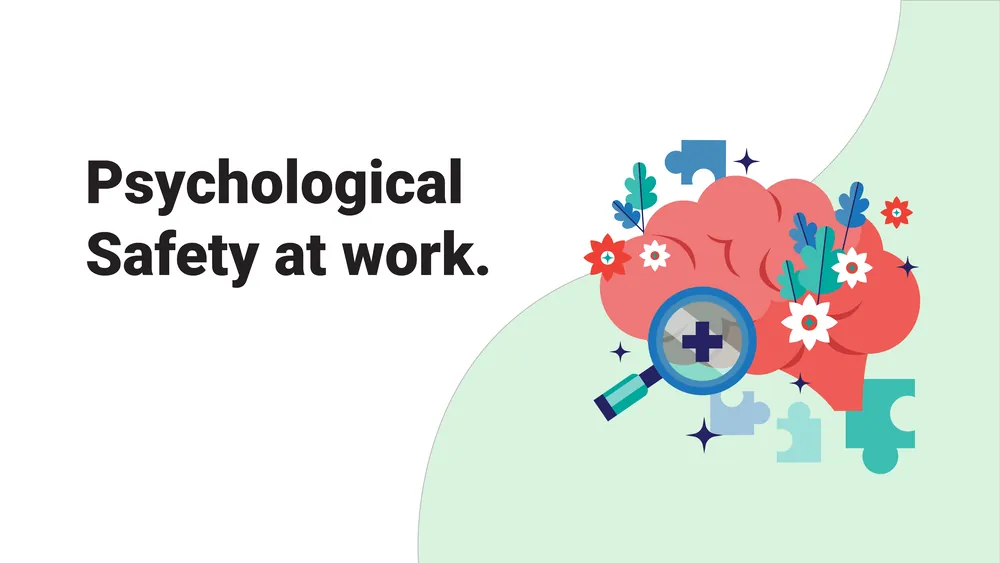
Feeling secure can be understood as a feeling of calm, certainty and safety that is at the core of a relationship. This may exist even through a rough patch and conflict. But what can this look like at work? At a workplace, this feeling of security ties in to psychological safety – i.e., feeling emotionally safe, and empowered to be able to speak up and communicate openly. Psychological safety is linked largely to employee perceptions on the merits of having challenging conversations and views and the consequences of taking this interpersonal risk at the workplace. This perception will be influenced by prior precedents that lay markers to indicate the openness towards such behaviour within the organisation. When leaders consistently strive to build psychologically safe spaces at work, employees may not feel the fear of opening themselves up for criticism or humiliation and attracting adverse impact to their career paths. Fostering such a sense of security at the workplace may create space for people to talk about what may be going on under the surface allowing for leaders to stay on the pulse of employee voice, teamwork, team growth and learning, factors influencing employee morale and productivity and thereby enhance organisational growth and learning.

As leaders building this sense of security amongst the team may come in from different areas:

– Build a team climate characterized by interpersonal trust and mutual respect.
– Hold space for regular conversations and connects, that discuss more than just work, and humanise the team and individual.
– Consistent messaging – it’s okay to make mistakes, it’s okay to talk about what’s not okay, we can get through this together.
– Be vulnerable. Admit imperfections, challenges.
– Circle back to conflict situations after a while, and close the loop.
– Invite curiosity, and collaborative, participative decision making.
– Promote transparency.

What psychological safety means

Psychological safety is the shared belief that you can speak up, ask questions or admit a mistake without being punished or humiliated.

Ways leaders can build it

  • Invite questions and thank people for raising concerns.
  • Respond calmly to mistakes and focus on learning.
  • Be consistent and keep commitments.
  • Share your own uncertainties.

Signs that safety is missing

  • People rarely ask questions in meetings.
  • Mistakes are hidden.
  • Staff avoid disagreeing with leaders.

Benefits

Teams with higher psychological safety tend to learn faster and handle conflict better.

Reflect

Ask your team what would help them feel safer, then act on their answers.

Frequently asked questions

Is psychological safety the same as being comfortable?

No. It allows for challenge and disagreement, expressed respectfully.

How long does it take to build?

It develops gradually through consistent behaviour.

What can individuals do?

Listen, support colleagues who speak up and avoid blaming.

This post is for general awareness and does not replace advice from a qualified professional.

Weekly Newsletter

Mental health insights, practical tips and updates in your inbox.

Related Short Posts