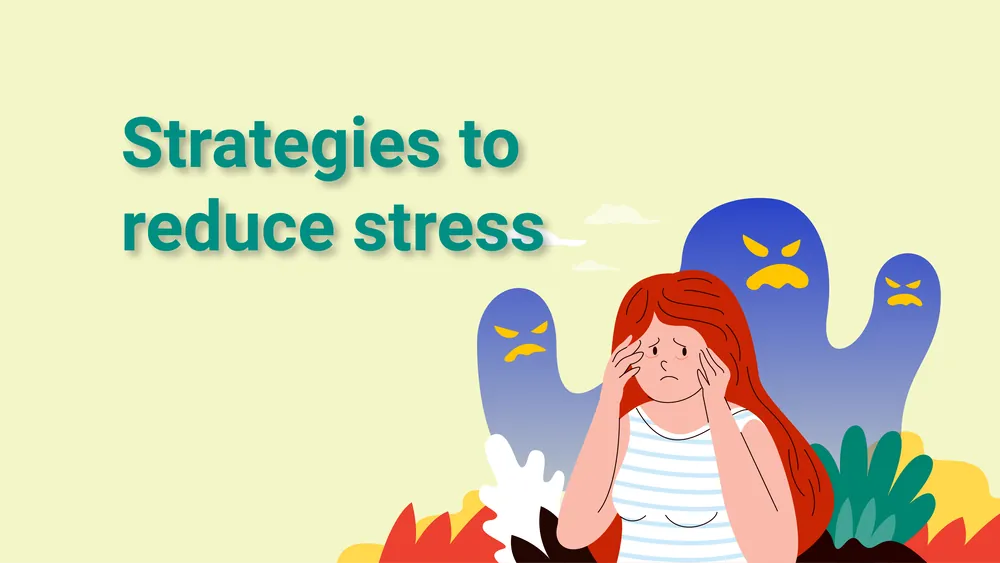
Almost everyone feels pressure at work from time to time. What helps is not a perfect routine but a small set of strategies you can actually use on a busy day. This short read, shared around International Stress Awareness Day, looks at how stress shows up and which stress reduction strategies are worth trying.
How stress shows up
International Stress Awareness Day is observed annually on the first Wednesday of November by the International Stress Management Association, with the intention to mark the day for promoting awareness about stress and active steps towards stress management. Today, we want to bring a spotlight onto stress at the workplace. In a space where there may be many demands on us as individuals it becomes very important to pause and take stock of the experience of stress and what it brings in to the body and self. For some of us, this impact may appear
– physical (hypertension, shortness of breath, increased heart rates, clammy hands, nervous gestures and movements),
– psychological (anxiety, frustration, anger, lack of confidence, a feeling of overwhelm)
– in interpersonal relationships (conflict, strain in relationships etc.).
It is important to keep in mind that when stress comes in, there are steps we can take to reduce its impact to us even in situations where the environment may be challenging.
Why stress reduction strategies matter at work
Work stress rarely stays at work. When pressure builds without a pause, it can affect sleep, focus, mood and relationships. Strategies that lower the load, or add to the resources you have to meet it, help you respond rather than simply react. Small actions repeated often usually work better than one big effort once in a while.
Seven practical ways to reduce stress at work
- Pause and name it. Saying to yourself “I am feeling stressed” creates a small gap between the feeling and your next action.
- Slow your breathing. Breathe in for about four counts and out for about six, for a minute or two, to help your body settle.
- Break big tasks into small steps. A long list feels lighter when you can see the first step clearly.
- Take real breaks. Step away from the screen, stretch, drink water or walk for a few minutes between demanding tasks.
- Protect your boundaries. Decide when your working day ends, and say “not yet” or “not today” when your plate is already full.
- Talk to someone you trust. A colleague, friend, manager or counsellor can help you see options that are hard to spot when you feel overwhelmed.
- Look after the basics. Regular sleep, meals and movement make stress easier to carry.
Questions to reflect on
- Which signs of stress, physical, emotional or in my relationships, do I notice first?
- What is one demand I could reduce, or one resource I could add, this week?
- Who could I ask for support?
Frequently asked questions
What is the fastest way to reduce stress at work?
There is no single fix, but slow breathing, a short walk away from your desk and writing down your next small step can help you feel steadier within minutes. Longer-term relief usually needs changes to workload, boundaries or support.
When should I seek professional help for stress?
Consider speaking with a qualified mental health professional if stress lasts for weeks, disturbs your sleep, work or relationships, or leaves you feeling hopeless. Reaching out is a way of caring for yourself.
This post is for general awareness and does not replace advice from a qualified professional.