
Short Post

How to Manage Stress at Work: Strategies Employees Find Helpful

10 Jan 2023
3 min read
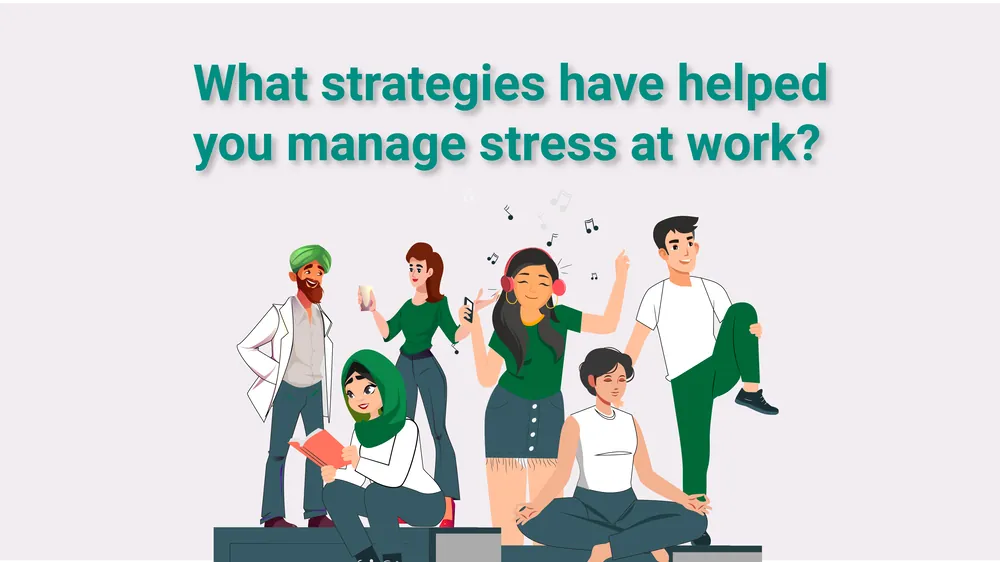
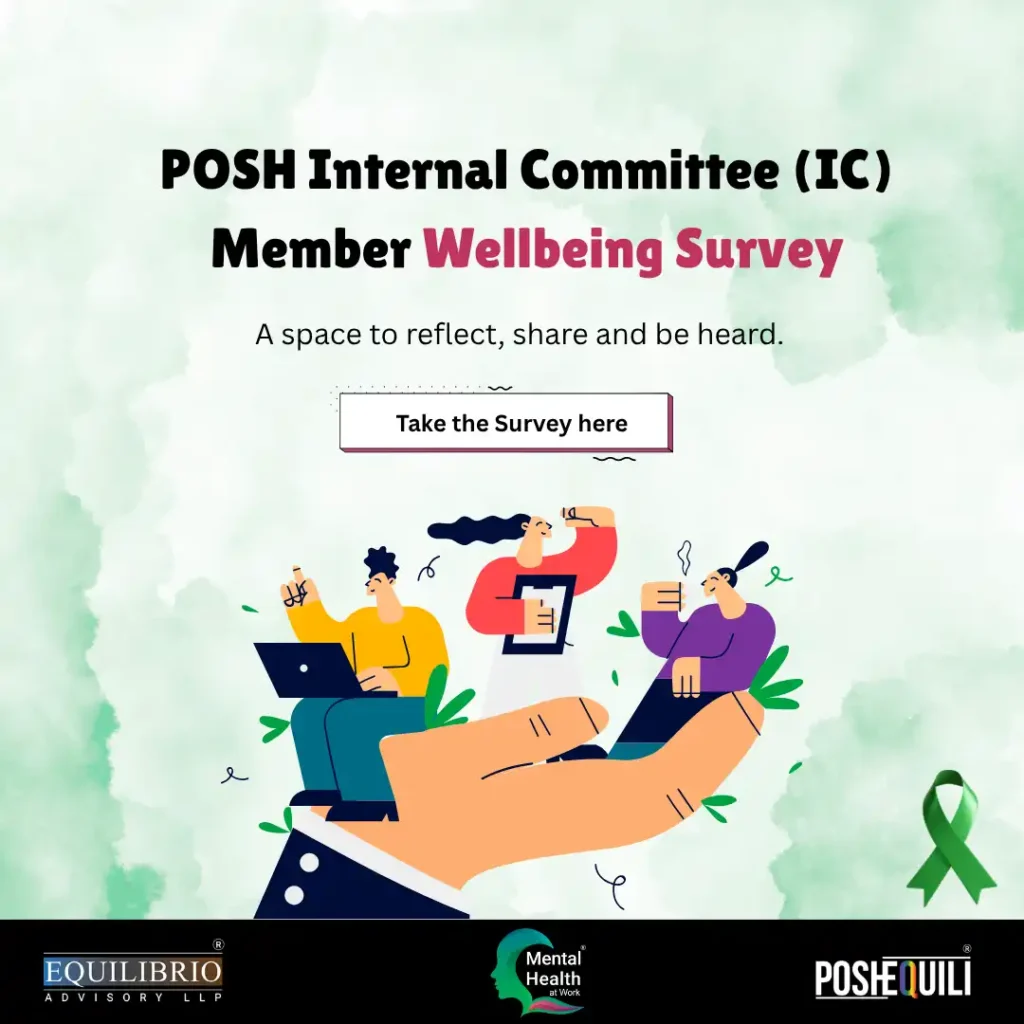
Illustration of a diverse group of colleagues, with the question What strategies have helped you manage stress at work?

The best stress management strategies are often the ones real people already use. We asked: what has helped you manage stress at work? Here is the question, followed by a simple way to build your own plan.

The question we asked

What strategies have helped you manage stress at work?

Five kinds of strategies to choose from

  • Body-based: stretching, walking, breathing exercises, adequate sleep.
  • Mind-based: writing down worries, reframing a thought, taking a few minutes of quiet.
  • Task-based: prioritising, breaking work into steps, asking for clarity on deadlines.
  • People-based: sharing the load, talking to a colleague or seeking counselling.
  • Environment-based: tidying your workspace, reducing interruptions, planning breaks.

Build a simple stress plan in three steps

  1. Notice your triggers. Write down the situations that raise your stress, such as back-to-back meetings or unclear instructions.
  2. Pick one response for each. Choose a strategy from each category above that feels doable.
  3. Review after two weeks. Keep what helps, change what does not.

Share what works for you

What helps one person may not suit another, and that is fine. If you have a strategy that has made a difference, tell a colleague or share it with your team. Hearing real examples makes it easier for others to try something new.

Why a personal plan works better than generic advice

Stress has different causes for different people. One person is drained by constant meetings, while another struggles with unclear priorities or a long commute. A plan built around your own triggers is easier to follow because it answers the problems you actually have, and it gives you something concrete to discuss with a manager or counsellor if you need more support.

Ideas for managers and teams

  • Ask the team what helps them cope, then make room for it, such as meeting-free blocks or realistic deadlines.
  • Normalise taking breaks and using leave.
  • Make it easy to raise workload concerns early.

A real-life example

Imagine an employee whose stress peaks every Monday morning because of a long list of unread messages. Her plan has three parts: she spends ten minutes on Friday afternoon sorting what is urgent, she takes a short walk before the Monday meeting, and she asks her manager to agree one priority for the week. None of these steps removes the workload, but together they reduce uncertainty, add a physical reset and give her more control. Plans like this work because they are specific, small and tied to a clear trigger, so they are easy to repeat and adjust.

Frequently asked questions

What are the best strategies to manage stress at work?

The best strategy is one you will actually use. Many people combine a body-based habit, such as a short walk, with a task-based habit, such as prioritising, and a people-based habit, such as talking things through.

What if these strategies do not help?

If stress continues despite your efforts, speak with a doctor or a qualified mental health professional, who can look at the causes and suggest suitable support.

This post is for general awareness and does not replace advice from a qualified professional.

Weekly Newsletter

Mental health insights, practical tips and updates in your inbox.

Related Short Posts