Intense emotions at work, such as frustration, anger, sadness or disappointment, are a normal part of working life. How we respond to them, in ourselves and in our colleagues, shapes trust, communication and wellbeing across a team. This guide shares five practical tips for responding to intense emotions at work with empathy.
About responding to intense emotions at work
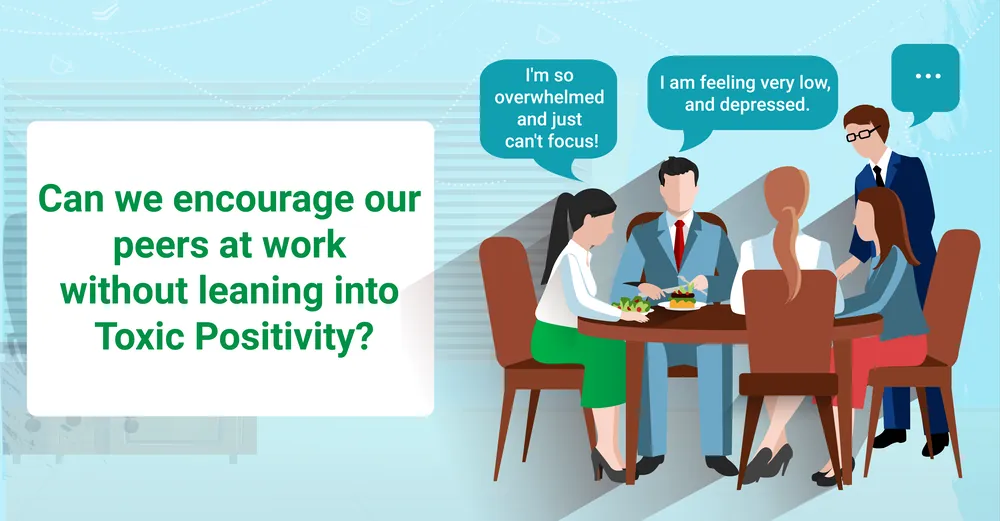
Navigating emotions can be tricky especially when it comes to making space for intense emotions when we are constantly taught and reminded to look at the bright side and the glass half full.
Consequently, it is not uncommon for people not to have the time, understanding, language, or energy to respond to these intense emotions they are experiencing frustration, stagnation, conflict, anger, sadness, unfulfillment, disappointment, etc. It may be simpler to say “Look for the silver lining”, “It’s going to be fine”, or “Just be positive, things will change” as statements that have been used to calm a person down. However, it may come across as not being understood and not heard resulting in the person shutting down, withdrawing, and not sharing further.
Why “just look on the bright side” often backfires
Phrases such as “look for the silver lining” or “it will all be fine” are usually meant kindly. They try to calm the moment down quickly. The difficulty is that the person may hear that their feeling is a problem to be removed rather than something worth understanding. When people feel unheard, they often stop sharing, so the real issue behind the frustration, stagnation or conflict never gets discussed. Over time this can look like withdrawal, disengagement or tension that seems to appear out of nowhere.
Five tips for responding to intense emotions at work
1. Pause before you respond
Take a breath and notice your own reaction first. If you are also feeling tense, it is fine to say, “Let me take a minute so I can give this my full attention.” A short pause usually leads to a calmer, more useful reply.
2. Listen before you try to fix
Let the person finish. Reflect back what you heard: “It sounds like you are frustrated because the deadline changed twice.” Listening carefully is often the most helpful thing you can do in the first few minutes.
3. Name and validate the feeling
Validation does not mean you agree with every detail. It means you accept that the feeling makes sense for that person. Simple statements such as “That sounds really disappointing” help people feel understood.
4. Ask what would help
Instead of offering advice straight away, ask, “Would you like to talk it through, or would you prefer some space?” People know best whether they need support, practical help or time.
5. Follow up later
Check in again after a day or two. A short message such as “I was thinking about our conversation, how are you doing?” shows that you meant what you said.
If the intense emotions at work are yours
- Name what you are feeling and what may be behind it, such as workload, unclear expectations or feeling undervalued.
- Step away for a few minutes before replying to messages or emails.
- Speak to someone you trust, such as a colleague, mentor, counsellor or your employee assistance programme if one is available.
- Notice patterns. If the same situation keeps triggering strong feelings, it may need a conversation with your manager.
What managers and teams can do
Teams cope better when it is normal to talk about feelings at work in a respectful way. Managers can set the tone by acknowledging stress, avoiding quick fixes and making time for one-to-one check-ins. Building this skill is part of what we call emotional literacy. You can explore more in our emotional literacy at work series and our stress awareness at work posts. For a wider view of why workplace mental health matters, read the World Health Organization fact sheet on mental health at work.
Frequently asked questions
What should I say to a colleague who is upset at work?
Start by listening. A simple, caring sentence such as “I can see this is really affecting you, do you want to talk about it?” is usually better than advice or reassurance.
Is it unprofessional to show intense emotions at work?
Feeling strong emotions is human. What matters is expressing them respectfully and having support so they do not build up unnoticed.
When should someone seek professional help?
If intense feelings last for weeks, affect sleep or daily functioning, or feel unmanageable, speaking with a qualified mental health professional is a good next step.
This post is for general awareness and does not replace advice from a qualified professional.